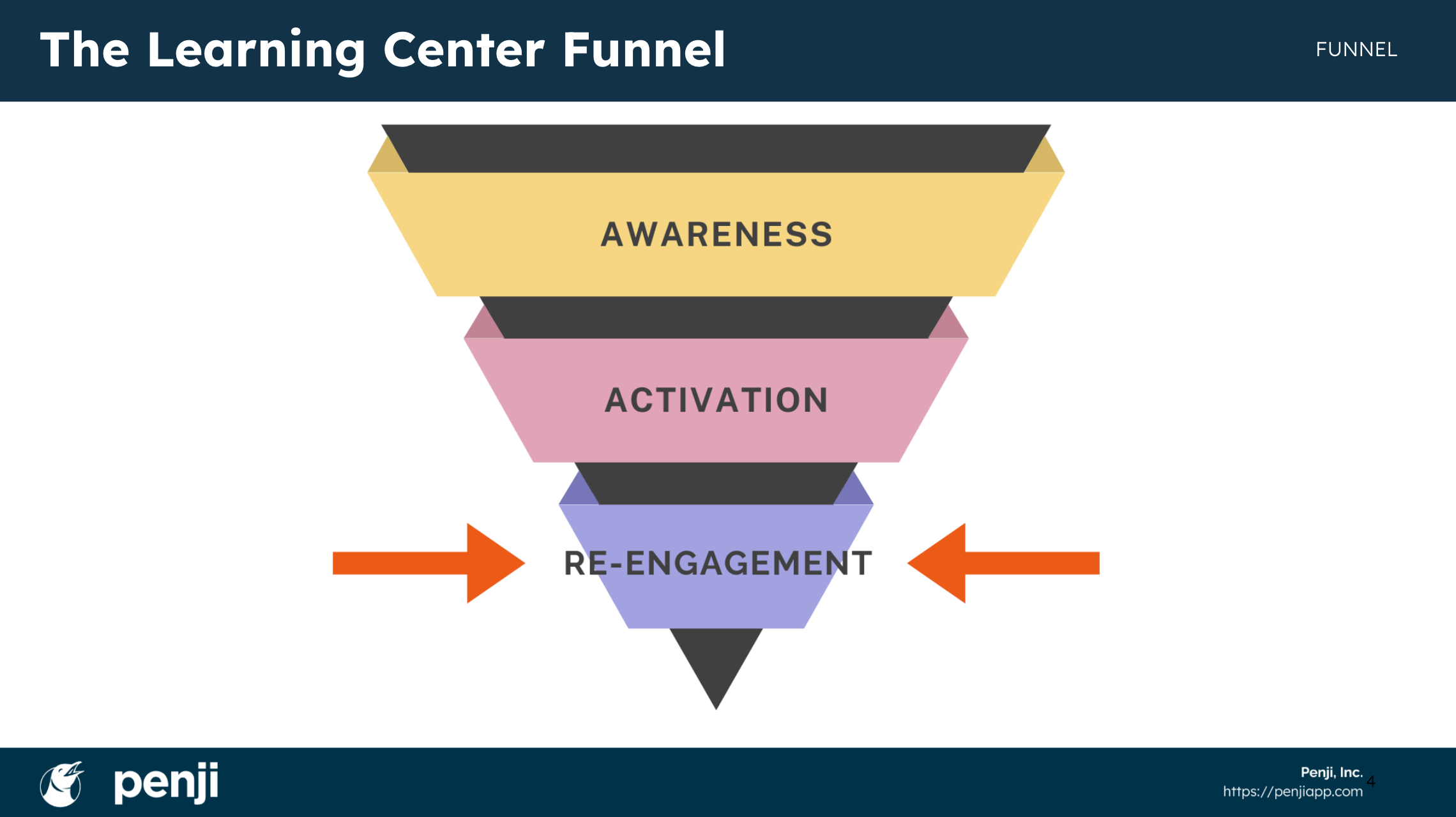
We've made it to step 3 of the learning center funnel: re-engagement. A student has heard of your center (awareness) and tried a session (activation). Now comes the question: Are they excited to come back for more? This final step is where your center becomes an integral part of the student's academic journey, and is also where word-of-mouth growth comes from.
In this article, we'll cover the key drivers of re-engagement:
The biggest driver to creating happy students who come back for more is the quality of the tutors themselves. Here are four key components to tutor quality:
We've written an entire article diving into this in detail, but below are the highlights:
A great selection process often includes soft skill assessments, subject knowledge assessments, and mock tutoring sessions.
Common Interview Questions
Mock Tutoring Sessions
This is an especially important step in the hiring process. Ask the candidate to teach you something! Prepare sample questions related to their subject matter, pretend to be stumped, and see how they respond. They should demonstrate good question asking, empathy, patience, active listening, and ideally an enjoyment of teaching.
Setting the Right Tone
A rigorous interview process sets an expectation that this is a serious job and establishes a strong culture amongst your team. Keep it polished, follow up on time, and follow your process whatever it is.
Once you've hired great tutors, you need systems to help them grow:
Many larger centers deploy a hierarchical model where senior tutors help with program management and training. One effective approach is having lead tutors run rotating monthly workshops, each specializing in a specific topic like active learning or cultural awareness.
Create a structure for tutors to observe and learn from each other. A few tips to keep this as simple and scalable as possible:
Peer evaluation fits into this commonly deployed three-part model:
Implement regular post-session surveys for students that include tutor-specific questions like:
Making these questions quantitative (e.g. 1-5 rating) allows you to review tutor performance side by side. This data provides interesting insights, even if it isn't the end-all-be-all of evaluation.
The feedback you collect should fuel a continuous learning cycle. Ensure there's a regular process for passing student feedback to your tutors.
This article (also linked above) provides some sample questions that are commonly used in post-session student feedback forms.
The key here is a process for sharing this feedback with tutors. For example, exporting all feedback once per term, anonymizing it, and sharing with tutors for discussion during your review.
First impressions play a crucial role in making students feel it would be worthwhile to come back. By creating a consistent session structure, tutors can deliver quality experiences every time. The key pieces are the beginning and the end of the session.
The opening minutes of a session are critical. The tutor should take charge at this point: “Here is how this session will go”. Students want to feel they are in good hands and that the tutor has a plan to help them.
We recommend the following flow:
The final minutes are also important. The main theme is deciding upon the best next steps for the student, which may include scheduling another session right then and there.
It’s easy to realize you are out of time and then awkwardly wrap up with a lot still unfinished. That is what we want to avoid.
We recommend the following flow:
A clear and consistent start and end process gives your tutors confidence. It feels good to execute the start and the end of any meeting well.
Beyond the tutor-student interaction, the physical and social environment of your center plays a significant role in re-engagement.
When you have a good experience at a store or restaurant, what is it about the space that is inviting? Apply these same principles to your center:
Simple changes that we have seen centers implement:
Many tutors have academic skills but need a bit of coaching on hospitality. This can be a little uncomfortable to bring up with tutors, but is important nonetheless.
Dean Blumberg from Connecticut State shared the following sample of his style when talking to tutors about greeting students and not wearing headphones in the space:
"I know there is going to be downtime, and I'm happy to let you do your own thing when it's quiet, but I want students to feel comfortable walking into our space. If students come in, they are probably nervous. It's helpful for them to feel welcomed. So I’d like to ask that we do no earbuds, close the laptop, make eye contact, and say hello."
Even students who had a great experience might forget to return without occasional prompts.
At minimum, send a center update email at the beginning of each term to all past users including:
For a second level of email campaign, check out our downloadable guide on sending a monthly email newsletter to students as a more advanced way to do email re-engagement.
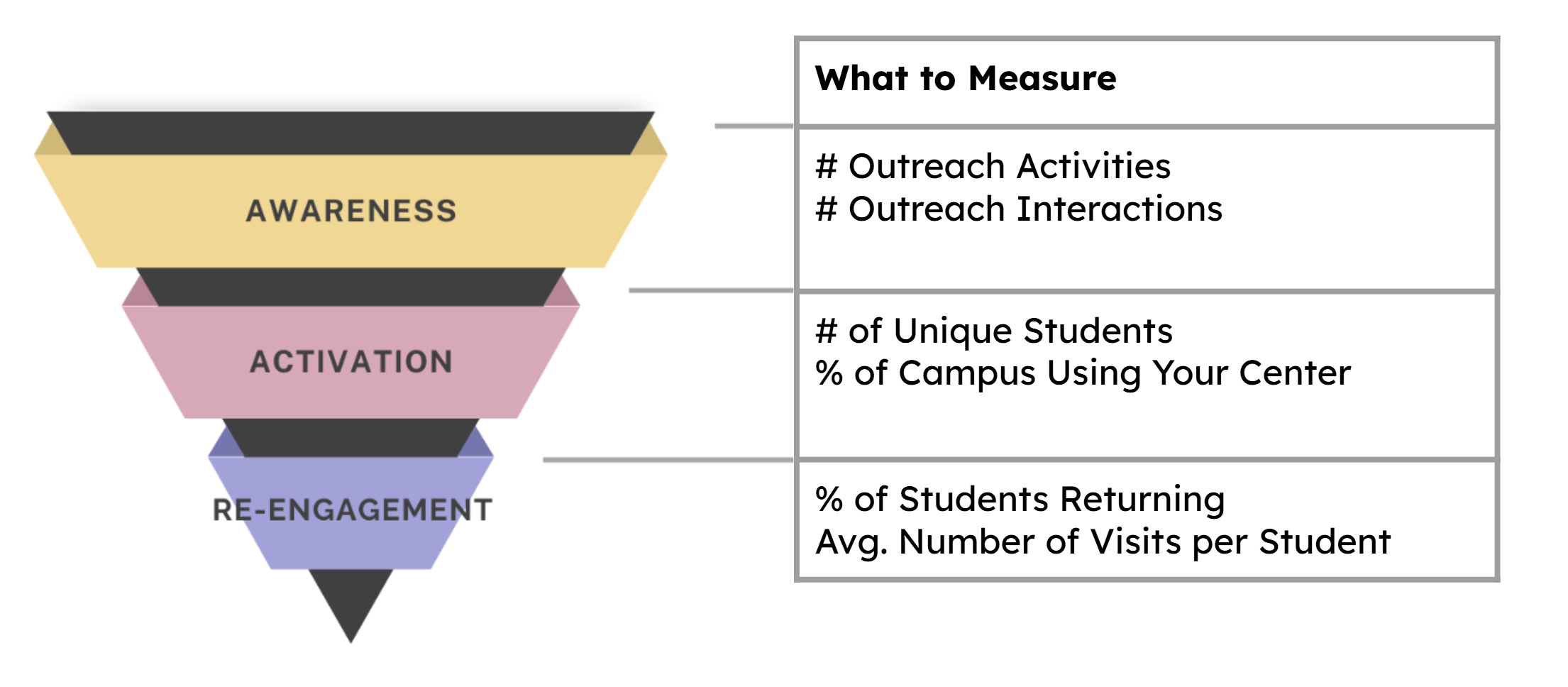
As with all funnel steps, clear metrics help track improvement:

Re-engagement is where the real magic happens—converting one-time users into regular visitors who tell others about the great experience they’ve had.
The formula is straightforward but requires consistent attention:
I hope you’ve found something useful in this article. How do these items align with your practices? If we are missing anything, please let us know! We always appreciate the feedback.
Ben Holmquist
CEO, Penji
ben.h@penjiapp.com
Discover how Kuali connects the work behind administration, research, compliance, IT, and more.
Explore Kuali solutions ->
Effective academic support depends on connecting students with the right resources at the right time. But as programs grow, disconnected scheduling tools, databases, and manual processes can make it difficult for staff to see the full picture. At Duke University, the Academic Resource Center (ARC) supports students through peer tutoring, learning consultations, and programs like SAGE (Student…

At the University of Central Missouri (UCMO), making academic support accessible means creating an experience that works for everyone involved. Students need an easy way to find help, tutors need flexibility to manage their schedules, and administrators need clear information to understand how their services are being used. Kuali Reach brings those pieces together. With an easy-to-use experience…

Working with hundreds of learning centers has given us a glimpse into what it takes to be successful and to grow engagement. In this article, check out the framework we've developed for learning center growth with a three-pronged approach focusing on Awareness (Marketing), Activation (First-Time Experience), and Retention. From impactful marketing tactics like orientation drives and faculty…


