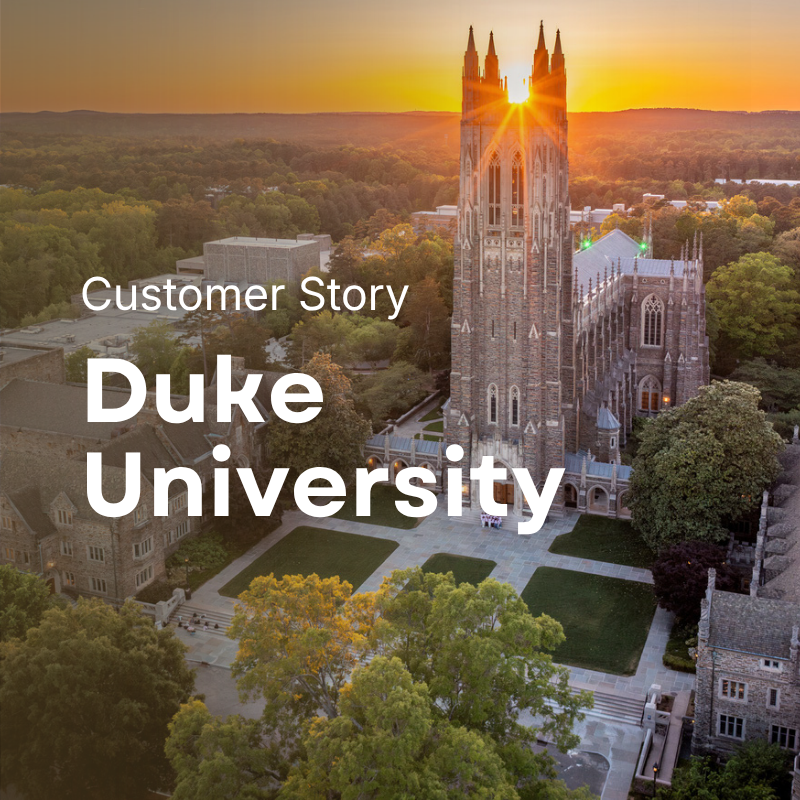
Through learning consultations, peer tutoring, and SAGE learning communities, the ARC gives students multiple ways to strengthen their academic skills and connect with peers. SAGE groups bring together 8–10 students who meet weekly with trained peer facilitators to work through course challenges, develop learning strategies, and build skills they can carry throughout their academic journey. That model depends on coordination - not just between students and staff, but across programs, faculty, tutors, and other campus partners.
As Duke's programs grew, however, the technology behind them made that coordination increasingly difficult.
Before Kuali Reach, Duke's academic support programs operated across several homegrown FileMaker Pro databases that had been customized over time for individual program needs. Learning consultations, SAGE, and peer tutoring were managed across separate databases. Although each system served its purpose, they didn't communicate with one another.
That meant staff couldn't easily see whether a student participating in SAGE was also meeting with a learning consultant or using another support resource. Understanding an individual student's experience across programs was difficult, while understanding patterns across the entire student population was even harder. Scheduling added another layer of fragmentation. Duke used external tools including Microsoft Bookings and Calendly for appointments, manually scheduled some group activities, and used Qualtrics to collect additional information.
Because scheduling and session data weren't connected, information could fall through the cracks. If a no-show wasn't manually recorded, for example, the fact that the appointment had ever been scheduled could be lost from the program's data.
Growth made those challenges more urgent. As SAGE expanded, staff were manually creating groups and assigning students based on their availability and interests. Reporting required pulling information from different sources and reconciling spreadsheets to understand what was happening across programs.
It was finding a sustainable way to support growing programs while giving Duke a clearer picture of the student journey.
Duke implemented Kuali Reach to bring scheduling, academic support activity, and student data into a more connected environment. Students can now sign up more directly for services, while the ARC can follow an appointment from sign-up through completion and connect that interaction with notes from learning consultants or peer tutors. That continuity gives staff a better understanding of how students are using available resources: which services they're accessing, where programs overlap, and what follow-through looks like.
Kuali Reach's connection with Duke's student information system has also helped eliminate administrative work behind the scenes. Course enrollment data can be used to manage access to course-specific support, taking a process staff previously had to manage themselves off their plates.
For SAGE, Kuali Reach made it possible for students to sign up more directly for groups while still giving administrators flexibility to structure participation when particular students need to be grouped together.
That became especially important as SAGE continued to grow.
"I can't even begin to explain to you the time saver on that."
– Duke University ARC administrator
Today, Duke has a more connected view of academic support—and significantly less manual work behind it.
Instead of piecing together scheduling records, program databases, forms, and spreadsheets, ARC staff can more easily access information about student participation and follow engagement across services.
The university has:
The difference becomes particularly clear when ARC leaders need answers from their data.
Information about tutoring groups that could previously have required several hours of work can now be pulled much more easily. When leadership asks questions about crossover between programs, staff can export and analyze that information quickly - something that wasn't practical with Duke's previous systems.
Strong student support programs are built on relationships - between students and peer educators, staff and faculty, and academic support teams across campus.
But those relationships are harder to support when the technology behind them is fragmented.
Duke's experience shows how Kuali Reach can provide the operational foundation for a more connected approach. By bringing scheduling, student participation, program information, and data together, Duke has reduced administrative burden while making it easier for the ARC to understand how students engage with its services. And as programs like SAGE continue to grow, that foundation matters even more.
Instead of scaling manual processes alongside student participation, Duke can spend more of its time on what the Academic Resource Center is designed to do: connecting students with the people, communities, and resources that help them succeed.
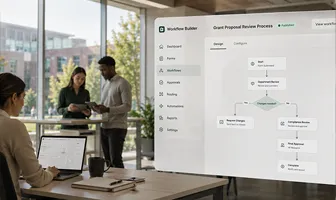
Discover how Kuali connects the work behind administration, research, compliance, IT, and more.
Explore Kuali solutions ->
At the University of Central Missouri (UCMO), making academic support accessible means creating an experience that works for everyone involved. Students need an easy way to find help, tutors need flexibility to manage their schedules, and administrators need clear information to understand how their services are being used. Kuali Reach brings those pieces together. With an easy-to-use experience…

Working with hundreds of learning centers has given us a glimpse into what it takes to be successful and to grow engagement. In this article, check out the framework we've developed for learning center growth with a three-pronged approach focusing on Awareness (Marketing), Activation (First-Time Experience), and Retention. From impactful marketing tactics like orientation drives and faculty…
Re-engaging students who've tried a first session is key to growing overall traffic and developing a strong reputation on campus. This guide covers tutor interviews, tutor training, designing your space, and sending email reminders.


