Increasing awareness is the first step to increasing overall demand for tutoring, and increasing demand has a host of benefits, the most significant being that higher traffic provides clear justification for your center's existence and expansion.

So this article and video focuses on step one of your funnel: building awareness.
Awareness has three sub-components:
While this article will cover each step, we’ll put a special focus on the first component: outreach. Increasing the volume of your outreach is doable even with a simple process for data recording and experimentation, which we’ll outline below.
The simplest way to improve awareness is to scale up your outreach.
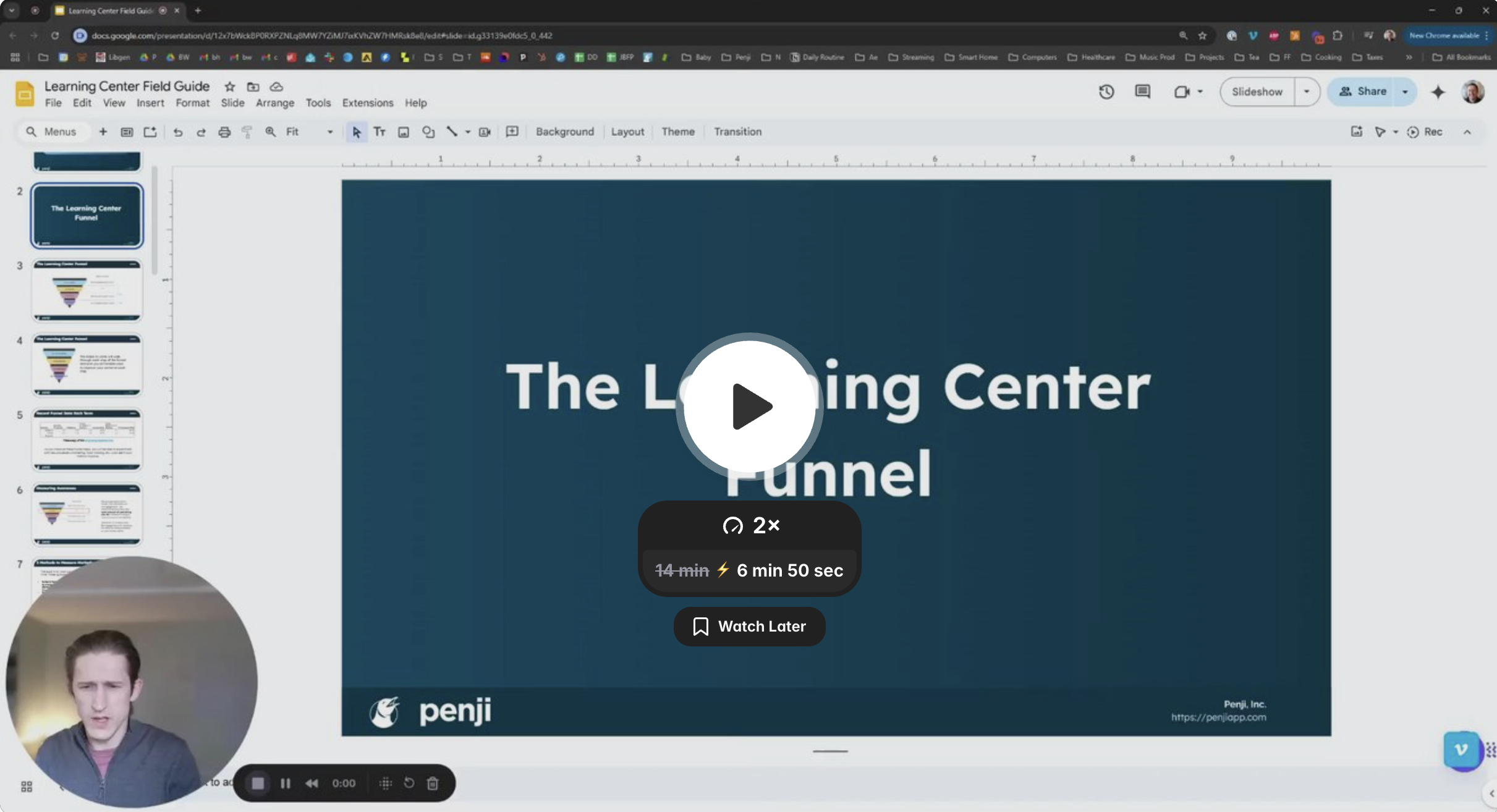
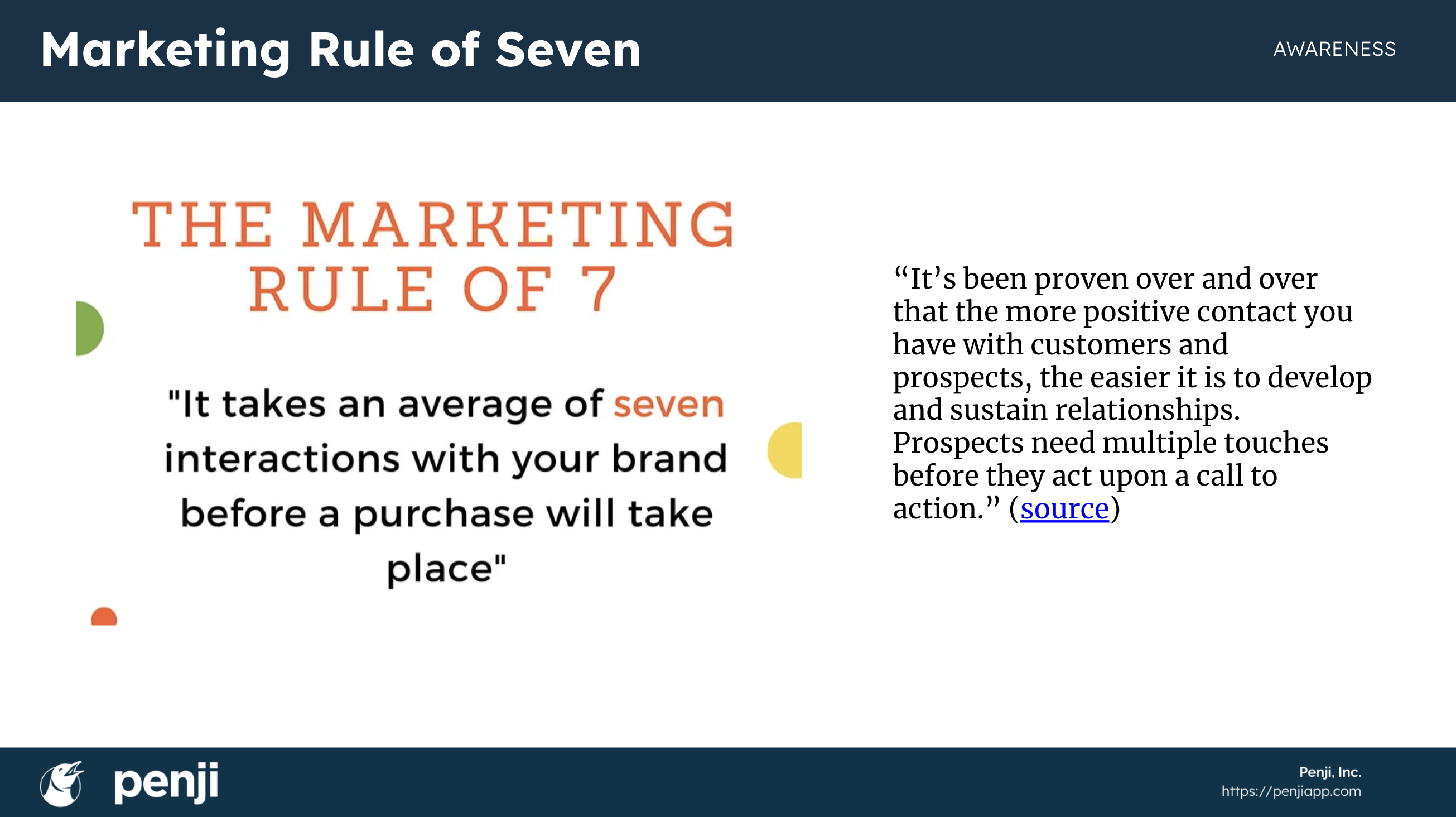
The “marketing rule of seven” says that it takes, on average, seven touchpoints to convince a person to give your services a chance. A single email newsletter blast will simply not be enough: you have to reach them from many angles - maybe seven or more!
So let’s ramp up the total touchpoints you have with students.
The name of the game is slowly expanding the different “channels” you use as well as the depth of your efforts within each channel. To do this, we’ll establish a regular cadence for measuring and experimenting.
Before I go further, a note: this requires patience. These processes must be built brick by brick, even over a number of years. Incremental gains each term are what we are looking for, that’s all. Start small.
The first step to improving outreach is measuring it.
There are three general ways to do this:
You can just do number one and still be fine, but if you can add number two and three, you will build a deeper understanding of your outreach. Take a look at the table below for an example of how this might be done:
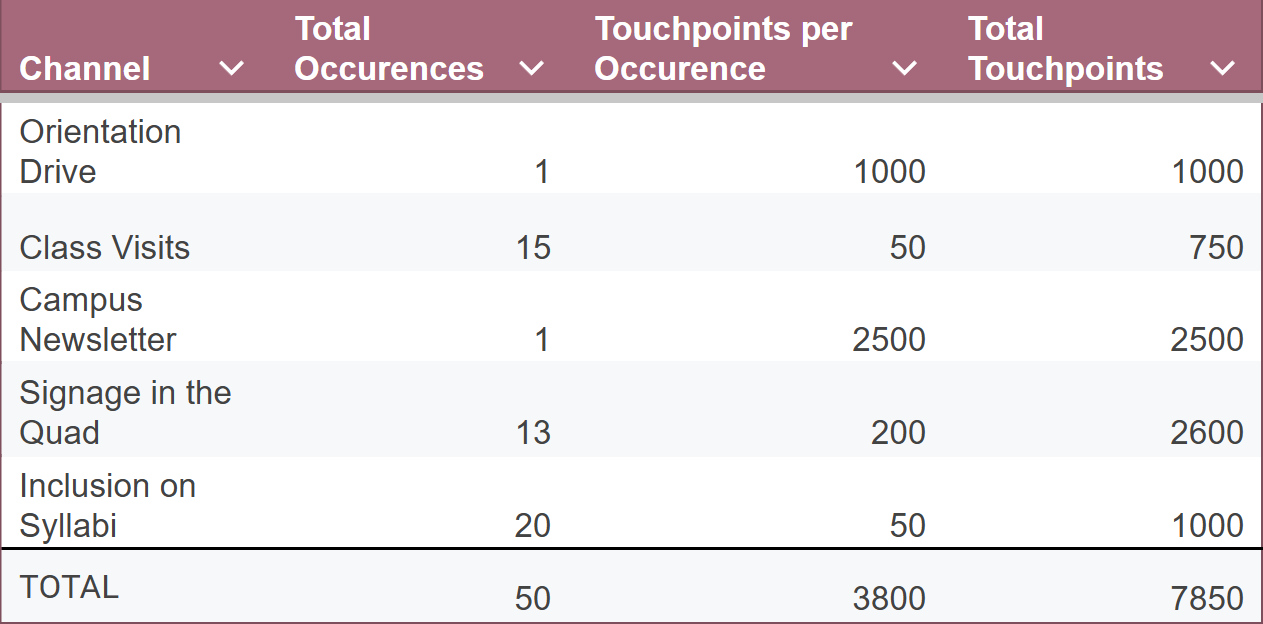
The steps to fill out this sheet are:
We recommend projecting this number at the start of the term (estimating each number), and then going back and replacing those numbers with real data at the end of the term (or on an ongoing basis).
Important: this is a very imprecise estimate! That’s okay - it’s still a big improvement from simply measuring the number of channels or occurrences alone since it allows you to understand the specific levers you can pull to improve awareness in the most direct way.
Tracking your outreach is a great start - no need to go further in my opinion. But if you really want to improve, try to measure each channel’s effectiveness.
One touchpoint isn’t the same as another. A classroom visit is a higher quality touchpoint than a mass email received, for example, and will drive more traffic to your center (although it also may cost you more in time and energy).
Measuring effectiveness can be achieved in a few ways such as:
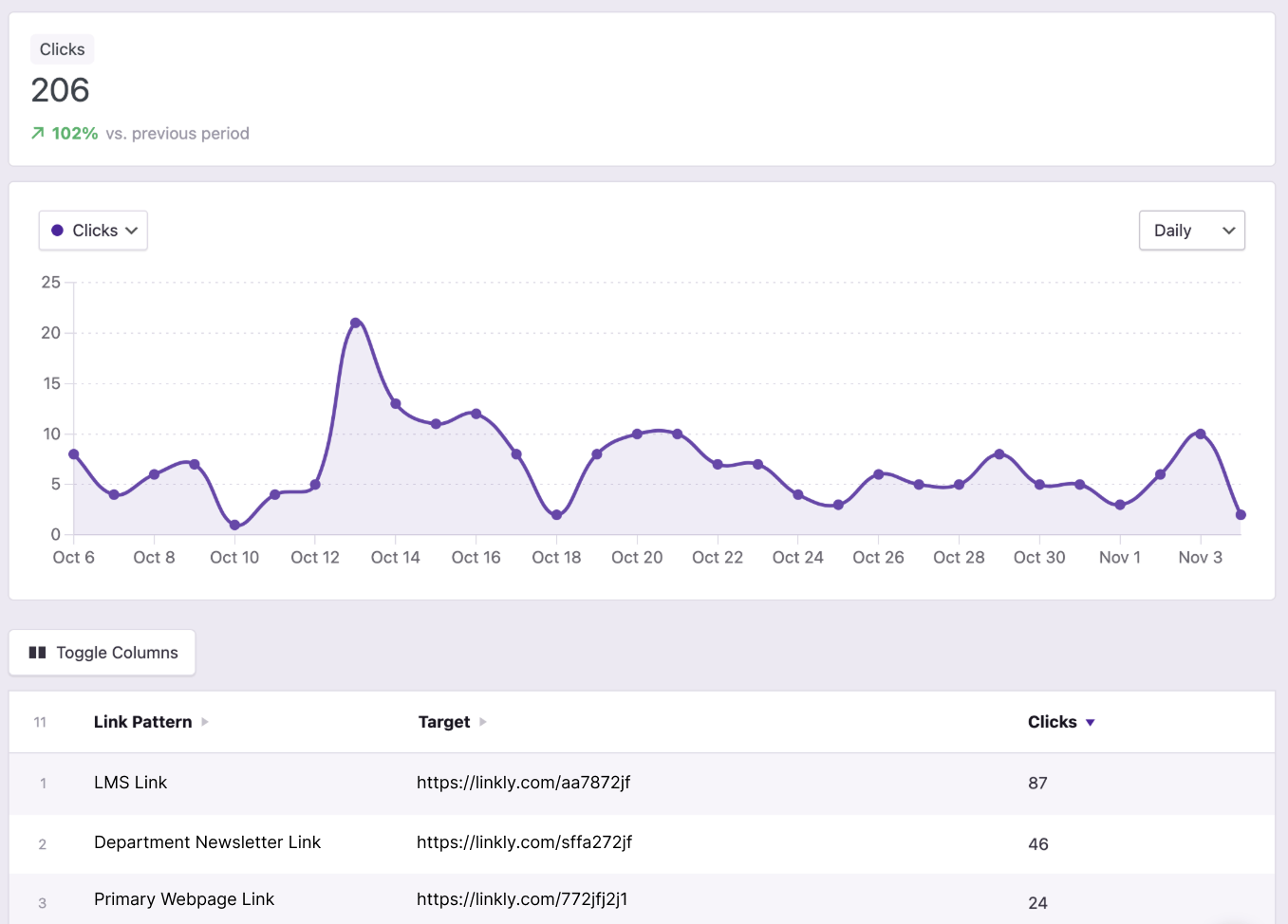
Now that you are measuring outreach channels, you can work to improve them. This involves either adding more channels or doing more marketing within each channel.
Here are the seven most common marketing channels deployed by learning centers:
You now have a tracking system and a list of possible channels to experiment with. From here it’s pretty simple - try out a new channel, measure the data, and see if your tutoring numbers reflect the increased awareness that you have built through increasing outreach.
Notice I said “what feels the best” - as much as we want to measure everything, it’s hard to get a black and white answer. Trust your gut feeling on if a channel is working or not.
Here's a step-by-step process for your iterative approach to improving awareness:
This process will help you scale up outreach. Once you’re feeling good there, it makes sense to consider the quality of that outreach, which is where alignment and desire come in.
The goal of component two, alignment, is to communicate the relevance of your service to the student hearing your outreach message. “Is this something I should pay attention to?”
The key to alignment is personalization. For example, if you send three department newsletters - math, engineering, and school of business - don’t send the same content in each newsletter. Early in each message, mention a few courses that are popular within that department, and perhaps mention a few tutors who are doing cool internships that the recipients may want to meet with.
Sometimes outreach channels inherently communicate alignment. Classroom visits are inherently personalized - this is specifically for their class!
Just consider ways you can make every touchpoint with students feel more personalized rather than generic. It goes a long way.
Beyond personalization driving alignment, working on the actual contents and style of the outreach can help maximize desire.
Desire is about building up emotional desire for the service. This component is more of an art than a science, but a few ideas I have on this front are:
As discussed earlier, however, working on alignment and desire should be secondary to measuring and growing your total outreach, in my opinion, since the latter is directly measurable.
In conclusion, building awareness is the first step in our funnel. To improve awareness on campus, consider your outreach volume. When designing your outreach messaging, consider maximizing alignment and desire in your message.
Improving the volume of your outreach is a simple place to start. Working on alignment and desire are good, but this is kind of hard, and hard to know if you are making progress. Just do more outreach and you’ll make big strides.
The end result of this will be an increase in first-time student users of your center.
Next up: activation. It does no good to generate interested students if they have a difficult time getting a first session. This involves elements like:
We’ll break down the key elements to review in the next article.
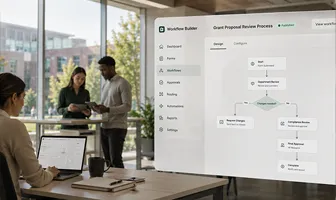
Discover how Kuali connects the work behind administration, research, compliance, IT, and more.
Explore Kuali solutions ->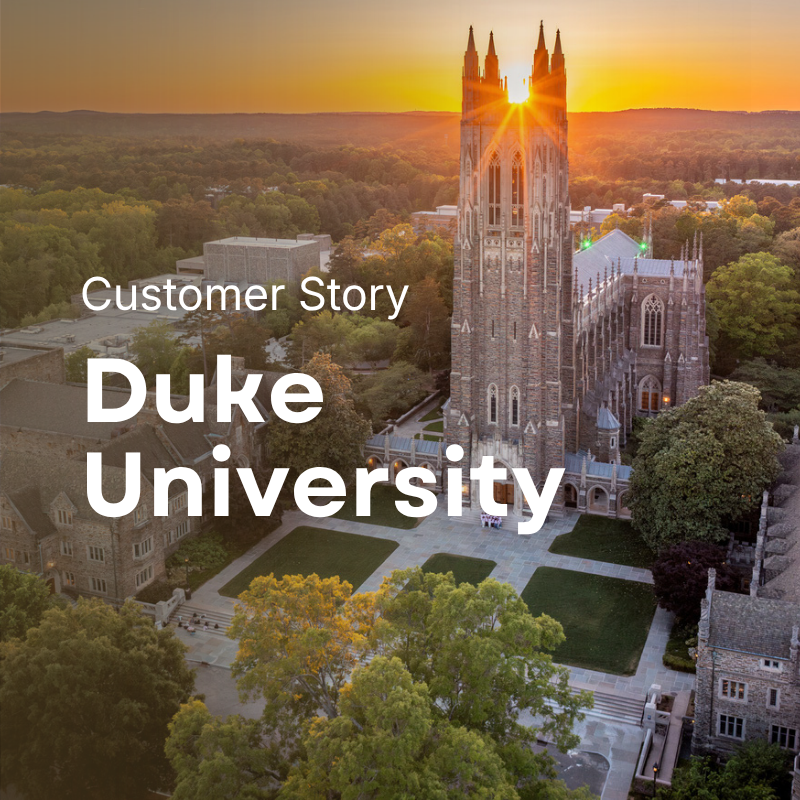
Effective academic support depends on connecting students with the right resources at the right time. But as programs grow, disconnected scheduling tools, databases, and manual processes can make it difficult for staff to see the full picture. At Duke University, the Academic Resource Center (ARC) supports students through peer tutoring, learning consultations, and programs like SAGE (Student…
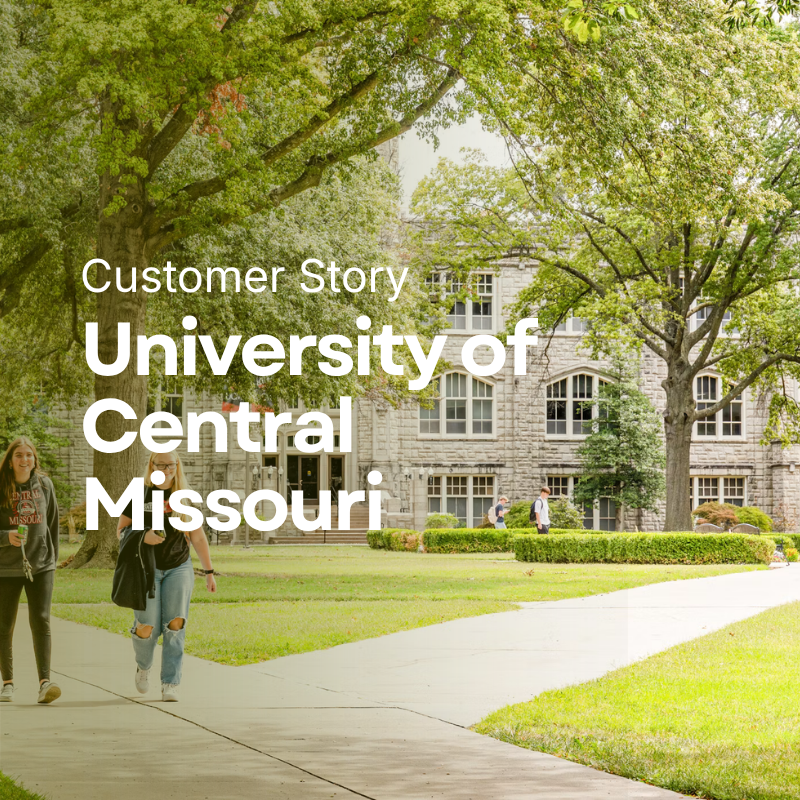
At the University of Central Missouri (UCMO), making academic support accessible means creating an experience that works for everyone involved. Students need an easy way to find help, tutors need flexibility to manage their schedules, and administrators need clear information to understand how their services are being used. Kuali Reach brings those pieces together. With an easy-to-use experience…

Working with hundreds of learning centers has given us a glimpse into what it takes to be successful and to grow engagement. In this article, check out the framework we've developed for learning center growth with a three-pronged approach focusing on Awareness (Marketing), Activation (First-Time Experience), and Retention. From impactful marketing tactics like orientation drives and faculty…


