

In an era where digital technology is embedded into every aspect of day-to-day life, the expectations users bring to software have fundamentally changed. Students, faculty, and administrators alike interact with technology constantly - from mobile apps and web services to institutional tools - and they expect intuitive, efficient, and delightful experiences. While curriculum and academic catalog management software must handle complex academic rules and workflows, it’s not enough for these systems to be functionally powerful; they must also be usable and user-centric.
At its core, user experience (UX) design is about understanding how users think, behave, and feel when interacting with software. It’s not limited to aesthetics or visual polish - it encompasses usability, information architecture, accessibility, and the overall satisfaction of users as they achieve their goals. Good UX design is grounded in rigorous user research, which uncovers real needs, pain points, and workflows rather than relying on assumptions. This research foundation ensures that design decisions are informed by real evidence, minimizing costly redesigns later and resulting in software that genuinely works for its users.
Software without meaningful UX is likely to be confusing, inefficient, and frustrating - even if it has advanced features under the hood. Research shows that user experience directly influences satisfaction, retention, and long-term product success; in fact, early UX integration in development reduces rework, cuts costs, and ensures software meets user expectations rather than frustrating them.
Good UX starts with empathy and research. Designers conduct interviews, surveys, usability testing, and analyze real user behavior to understand exactly what users need and why. Only with this foundation can teams make informed design choices that solve real problems, rather than shipping features based on guesses.
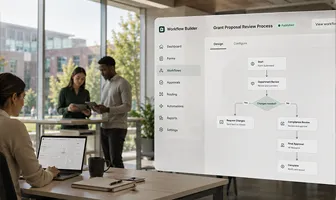
In curriculum and catalog systems, this means mapping out the diverse roles and tasks - from a department scheduler building a catalog to a faculty member proposing a course change - and ensuring each interaction feels logical and efficient. Complex logic, such as approval workflows, cross-listed courses, and program requirements, needs to be surfaced in ways that feel intuitive and predictable. This deep understanding of user needs turns complexity into clarity.
One practical example of user-centered design thinking is first-time user experience (FTUE), in which users interact with software for the very first time. A well-designed FTUE sets users up for success, helping them quickly understand core tasks and reducing cognitive load, which increases satisfaction and long-term adoption.
Higher education institutions operate with constrained budgets, limited staff time, and an increasingly mobile, digitally savvy user base. Software that feels difficult or clunky can slow down essential processes such as curriculum updates, catalog production, and review cycles, ultimately affecting academic operations.
A study of user experience in software development highlights that intuitive navigation and efficient task flows aren’t nice-to-have features - they directly influence whether users can complete their tasks at all.
Applying UX principles in academic operations doesn’t undermine complexity; it unlocks usability. For example:
In essence, UX bridges the gap between powerful back-end functionality and meaningful front-end experiences, giving institutions the tools they need without requiring users to become software experts.
Kuali’s solutions for higher education recognize this reality. Tools like Kuali Curriculum Management and the broader Academic Operations suite are designed to streamline complex academic processes with intuitive, user-centered interfaces and workflows tailored for institutional needs.
To explore how institutions can modernize their academic operations and experience the benefits of thoughtfully designed software, check out this internal resource covering higher education curriculum management software: Higher Ed’s Guide to Curriculum Management Software - Kuali. This guide walks through the challenges of traditional curriculum workflows and how modern platforms can alleviate administrative burdens.
Today’s higher education professionals don’t want to fight their software - they want tools that help them focus on strategic work like improving programs, enhancing student success, and ensuring compliance. Thoughtful UX design does more than make software easier to use; it enhances efficiency, reduces training and support costs, and fosters greater adoption across campus.
Investing in user research and UX design isn’t a luxury - it’s a strategic priority for any institution seeking to modernize and scale academic operations. Solutions like Kuali’s Academic Ops and Curriculum Management bring together powerful features with intuitive experiences, helping your institution spend less time wrestling with workflows and more time creating meaningful academic impact.
When designing or selecting curriculum and catalog software, prioritize user-centric design that puts your people first - because the best technology is the kind that feels natural to use.
Discover how Kuali connects the work behind administration, research, compliance, IT, and more.
Explore Kuali solutions ->
Bow Valley College leveled up their paper-based curriculum and catalog processes with Kuali Student, a digital curriculum and catalog management suite, to reduce errors, increase transparency, and save time. With Kuali Student, Bow Valley saves 100 hours each curriculum and catalog cycle.

Today’s students expect up-to-date, searchable course catalogs that help them plan and graduate on time. This article breaks down why legacy systems fall short, highlights new tech and trends reshaping higher ed, and explores how Kuali Academic Ops—with Ad Astra—delivers a smarter, integrated solution for curriculum, scheduling, and success.

Discover the top features to look for in modern curriculum management systems in 2026—from UX to integrations—to improve accuracy, workflows, and student success.