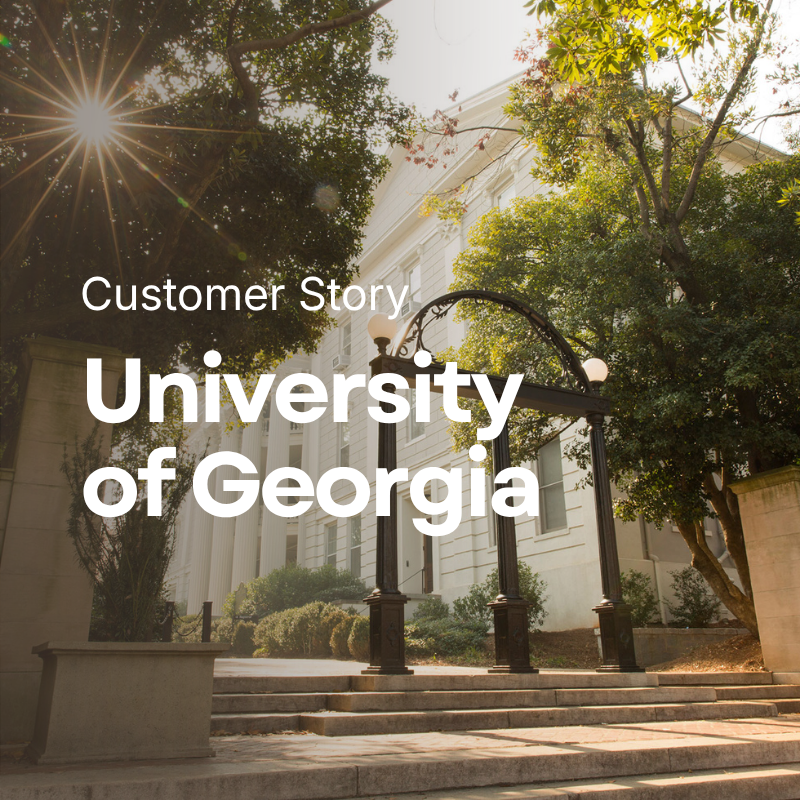
When Sarah Jeffery joined the University of Georgia in 2019, UGA's peer tutoring program had approximately 50–70 tutors. Today, its broader peer education operation includes approximately 150 peer tutors and 180 peer learning assistants. Peer tutors provide academic support outside the classroom, while peer learning assistants work directly with faculty inside the classroom. The growth in staffing has been accompanied by significant growth in student engagement.
Since 2020, UGA has increased tutoring utilization by 191%.
Behind that number is an intentional effort to rethink how students discover and access tutoring. UGA moved away from an inefficient drop-in model, expanded scheduled and small-group support, strengthened faculty partnerships, and used targeted outreach to connect students with relevant tutoring opportunities.
As UGA’s peer education program expanded, Kuali Reach helped support that growth by making it easier for students to schedule and access individual tutoring and Study Pods—all while helping the university manage a growing tutoring operation at greater scale.
UGA's traditional tutoring model wasn't designed for the scale the university wanted to achieve. In 2019 and 2020, the tutoring center was largely known for drop-in tutoring. That meant UGA had to schedule tutors without knowing exactly when students would arrive or which subjects they would need. Sometimes tutors were scheduled but had no students to serve. Other times, students arrived only to find that tutoring wasn't available for the subject they needed.
For UGA, that raised an important question: Were its resources being used in the most effective way possible? The peer education team began examining its tutoring model through an efficiency lens—looking at funding, utilization, the number of students each service could support, and the cost per student served. At the same time, UGA wanted to expand access. Doing so would require more than hiring additional tutors. Students needed flexible ways to find and use available academic support, while the university needed a model capable of accommodating greater demand.
The challenge wasn't simply offering more tutoring. It was creating a tutoring operation that could reach more students and scale more efficiently.
UGA began redesigning its approach around scheduled tutoring and more flexible support options, with Kuali Reach supporting how students access tutoring opportunities. Instead of relying primarily on drop-in availability, UGA could offer students structured ways to connect with support, including individual tutoring appointments and Study Pods—UGA's weekly small-group tutoring sessions of up to six students with a peer tutor.
As the program evolved, Study Pods became an increasingly important part of UGA's tutoring strategy, growing from roughly 6–9 to approximately 150–300. But expanding the types of tutoring available was only part of the equation. UGA also became much more intentional about getting students to use those services. The peer education team developed targeted outreach based on the courses students were taking. At key points throughout the semester, students in courses with available tutoring receive messages connecting them with relevant academic support.
Those messages can direct students toward available tutoring, creating a clearer path from awareness to action.
Faculty relationships reinforce that effort. UGA proactively works with faculty teaching courses supported by tutoring, provides resources faculty can share with students, offers class visits from lead tutors, and builds connections between instructors and the tutors supporting their courses.
Together, these strategies help UGA put academic support in front of students when and where it's most relevant—and Kuali Reach provides a destination for students to access those tutoring opportunities.
"Looking at the growth from 2020 until now, we grew our tutoring utilization by 191% with the help of Kuali Reach "
– Sarah Jeffery, Senior Coordinator of Peer Education, University of Georgia
UGA has transformed the scale of its peer tutoring program while creating a more intentional approach to how students access academic support.
The university has:
UGA's growth is the result of multiple strategies working together: smarter resource allocation, different tutoring formats, targeted student outreach, strong faculty relationships, and a focus on courses where academic support can make a meaningful difference.
Kuali Reach supports that strategy by helping connect students with the tutoring opportunities UGA has built.
That distinction matters. Technology alone doesn't create a successful peer education program. But as participation grows, learning centers need technology capable of supporting the programs, people, and pathways students rely on to get help.
Growing a tutoring program requires more than adding tutors. Students need to know what support is available, find options relevant to their courses, and have a clear way to access those services. At the same time, learning center leaders need an approach that can accommodate growing demand without relying on inefficient processes.
UGA's experience demonstrates what that can look like.
By rethinking its tutoring model and using Kuali Reach to support access to its growing range of services, UGA has created a peer education program capable of reaching significantly more students.
The result: 191% growth in tutoring utilization since 2020 and an academic support operation built to serve students at greater scale.
Kuali Reach helps institutions connect students with tutoring and academic support so learning centers can spend less time managing access and more time helping students succeed.
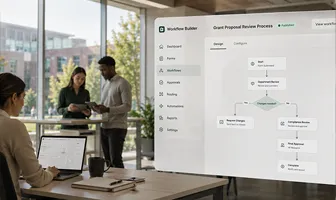
Discover how Kuali connects the work behind administration, research, compliance, IT, and more.
Explore Kuali solutions ->
Effective academic support depends on connecting students with the right resources at the right time. But as programs grow, disconnected scheduling tools, databases, and manual processes can make it difficult for staff to see the full picture. At Duke University, the Academic Resource Center (ARC) supports students through peer tutoring, learning consultations, and programs like SAGE (Student…
At the University of Central Missouri (UCMO), making academic support accessible means creating an experience that works for everyone involved. Students need an easy way to find help, tutors need flexibility to manage their schedules, and administrators need clear information to understand how their services are being used. Kuali Reach brings those pieces together. With an easy-to-use experience…

Working with hundreds of learning centers has given us a glimpse into what it takes to be successful and to grow engagement. In this article, check out the framework we've developed for learning center growth with a three-pronged approach focusing on Awareness (Marketing), Activation (First-Time Experience), and Retention. From impactful marketing tactics like orientation drives and faculty…


