
At UCMO, Faith Ford oversees a broad range of peer academic support, including tutoring, supplemental instruction, embedded tutoring, the writing center, and a peer mentor program. Across those programs, she can have between 60 and 80 student employees in a semester. Managing academic support at that scale requires more than simply offering tutoring. Students need to know how to find help. Tutors need schedules that stay current. Staff need visibility into availability. And Ford needs reliable data to understand how students are using the center and make informed decisions about its operations.
Kuali Reach helps UCMO bring those needs together in one tutoring experience. Students can find and access support online. Tutors can manage their own schedules. Staff can see availability and scheduled sessions. And Ford can use Reach's dashboards to quickly understand when students are coming in, how they're engaging with services, and which courses are generating the most demand.
UCMO's tutoring center operates late into the evening—sometimes until 9 p.m.—which means Ford isn't always there when schedules need to change. Without the ability for tutors to manage those changes themselves, even routine scheduling adjustments could require additional administrative involvement.
At the same time, UCMO wanted accessing support to be simple for students. Students shouldn't have to make a phone call or navigate unnecessary steps just to find tutoring. They need a straightforward way to see what's available and connect with support when they need it. And behind the student experience, Ford needs information that helps her manage the center. Campus partners regularly ask questions such as: When are students most likely to visit? How long are appointments? Which courses are most popular? When might there be availability for a student who needs help? Answering those questions requires visibility into how tutoring is actually being used.
UCMO needed an approach that could make academic support simple for students while giving tutors greater independence and administrators the information they need to manage services effectively.
With Kuali Reach, UCMO created an experience designed around the different people involved in tutoring.
For students, that starts with ease of access. UCMO introduces Reach through first-year seminar presentations, academic reset courses, and other campus outreach. Ford also helps faculty and staff understand the student workflow so they can point students toward tutoring when they need support. Once students know where to go, they can access the system online and find support without having to call or speak with someone first.
For tutors, Reach provides greater autonomy over scheduling. Student employees can update their schedules themselves, helping keep availability current even when Ford isn't in the office. The calendar view also gives staff a visual picture of tutor availability and scheduled sessions, which is particularly useful when helping students who walk into the center looking for support. For Ford, one of the biggest advantages is the data.
Reach's dashboards give her a straightforward way to pull information she needs for decision-making. She regularly uses the heat map to understand when students are coming into the center, along with other dashboard views that show appointment patterns and popular courses. Those insights are useful beyond the tutoring center. UCMO's advising team, for example, regularly works with students who may benefit from academic support. Understanding the center's busiest times, typical appointment lengths, and popular courses helps campus partners better understand when and how to connect students with tutoring.
As UCMO has expanded its broader student-success technology environment, the university has chosen to keep Reach for tutoring because of how well it supports these specific needs.
"I fully stand behind Kuali Reach (formerly Penji), just the ease of the system, both for the students, making it as easy as possible for students to receive academic support, for tutors being able to manage their schedules, and then for the information flow that I can pull out of it "
– Faith Ford, Assistant Director of First Year Experience, University of Central Missouri
Kuali Reach has given UCMO a tutoring experience built around ease of use—for students, tutors, staff, and administrators.
The university has:
For UCMO, the value of Reach isn't one feature or workflow. It's how the different pieces work together.
Students get a straightforward way to access academic support. Tutors have more control over their schedules. Staff can quickly understand availability. And administrators have data that helps them see what's happening across their services.
That visibility has been valuable in conversations with university leadership as well. When Ford pulled up the Reach dashboard during a one-on-one meeting with UCMO's vice provost, the response was immediate: the system was giving her useful information without requiring her to work through layers of data to find it.
And most importantly, students are using it.
Ford says UCMO has seen strong usage across campus and built valuable partnerships around its tutoring services—something she attributes in part to the ease of the software.
Academic support works best when the technology behind it doesn't create another barrier. Students need an easy path to help. Tutors need the flexibility to manage their schedules. And learning center leaders need clear information to understand demand, manage resources, and make decisions about their programs.
That's what UCMO has found with Kuali Reach. By bringing student access, tutor scheduling, availability, and tutoring data together, Reach helps UCMO support the day-to-day realities of running a busy academic support operation.
For Ford, the reason to keep using it is straightforward: it's already working for the students and staff who depend on it.
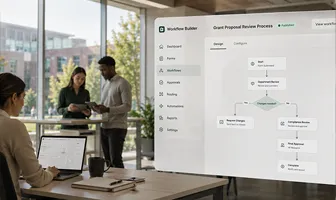
Discover how Kuali connects the work behind administration, research, compliance, IT, and more.
Explore Kuali solutions ->
Effective academic support depends on connecting students with the right resources at the right time. But as programs grow, disconnected scheduling tools, databases, and manual processes can make it difficult for staff to see the full picture. At Duke University, the Academic Resource Center (ARC) supports students through peer tutoring, learning consultations, and programs like SAGE (Student…

Working with hundreds of learning centers has given us a glimpse into what it takes to be successful and to grow engagement. In this article, check out the framework we've developed for learning center growth with a three-pronged approach focusing on Awareness (Marketing), Activation (First-Time Experience), and Retention. From impactful marketing tactics like orientation drives and faculty…
Re-engaging students who've tried a first session is key to growing overall traffic and developing a strong reputation on campus. This guide covers tutor interviews, tutor training, designing your space, and sending email reminders.


