
Working with hundreds of learning centers has given us a glimpse into what it takes to be successful and to grow engagement. In this article, check out the framework we've developed for learning center growth with a three-pronged approach focusing on Awareness (Marketing), Activation (First-Time Experience), and Retention. From impactful marketing tactics like orientation drives and faculty liaisons to optimizing the first-time scheduling experience, the article provides actionable strategies.

Today’s learning centers are being asked to demonstrate their impact on students. The numbers of unique students served and the total number of visits are simplified metrics people assume are correlated with impact. While those are only part of the story, growing these numbers is good for students and good for your future funding.
After working with hundreds of learning center directors, we developed the following framework for thinking about learning center growth and want to offer it to you as a helpful tool. The three key areas to consider in generating predictable growth are:
I will describe what we’ve seen center directors do in these areas and provide a few examples. We'll continue to expand on this content with more detail over time.
A student can’t use your tutors if they’ve never heard of you. Here are a few tactics that have produced big results at other learning centers:
You don’t have to do all or even most of these, but we’ve observed that the most effective centers have developed a regular system of repeatable marketing activities that they run every term. Just start a document with a simple checklist, run those each term, and slowly make improvements. Brick by brick!
This is about taking someone from “intrigued” to “successfully tutored”. The first step to this is ensuring you have a low-friction signup process. Forms, emails, and phone numbers are usually high friction and deter a student from taking action. Make it as easy as possible for them to schedule a time, or find the drop-in schedule, etc. This is where a mobile-friendly tool can pay dividends.
Audit the student journey with your center. Write each process out on a whiteboard or document, step by step, and consider a few questions:
The basics here are removing every small point of friction from the first time scheduling experience.
The second part that is worth discussing is the idea of “nurturing” interested students. Consider sending a monthly email newsletter to (1) past student ysers and (2) others you've added to this list from wherever you like (e.g. tabling or orientation drives). Your tutors are a treasure trove of useful info for students - consider interviewing three to ask them for study tips, and then once per month just send out one of those study tips to your list. This is a more advanced form of marketing that many centers don't do, but can be a a great second layer to drive Activation.
Retention is all about session quality. The keys here are (1) offering the formats and experiences students want, like appointments vs groups vs dropin, (2) developing an effective tutor training program, and (3) collecting feedback. If you offer a quality product, they will return and also will tell their friends. Deeper engagement with individual students will produce a larger impact for that student which will show up in GPA change and retention rates.
For session formats, the most successful programs in our network often have a thriving groups component. The most common design is 10 to 20 student groups led by a tutor occurring on a weekly basis. This helps people meet the study partners and have a second teacher to turn to when they're struggling.
We have a second article coming on tutor training best practices in the works. I will expand upon that here once complete and link it. Great tutors leads to retention.
Finally, regarding feedback, the most important thing is that you simple start collecting some! Even a post-session thumbs up or thumbs down is great. You want to start having some data that you can review on tutors that are especially effective, which courses were students finding the most value out of attending tutoring for, things like that. Start simple, start small, just make sure you are collecting some feedback on your sessions. Our partners have requested a list of best practice post session feedback questions and we will work on that.
All progress is iterative. There are a million things you can try, and it can feel overwhelming. Don't worry about it! Just start with one thing this upcoming term you want to try. Try it, measure it if you can, and learn. There will be no silver bullet, but this experimental and iterative mindset, one step at a time, will drive surprising progress over a 1-2 year period.
Let us know if you ever want to chat about your center or your growth goals! We enjoy the process of helping learning centers grow, even if its not in a formal capacity.
More content to come - let me know what you want to see next at ben.h@penjiapp.com.
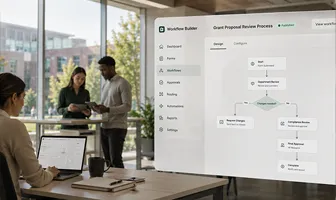
Discover how Kuali connects the work behind administration, research, compliance, IT, and more.
Explore Kuali solutions ->
Effective academic support depends on connecting students with the right resources at the right time. But as programs grow, disconnected scheduling tools, databases, and manual processes can make it difficult for staff to see the full picture. At Duke University, the Academic Resource Center (ARC) supports students through peer tutoring, learning consultations, and programs like SAGE (Student…

At the University of Central Missouri (UCMO), making academic support accessible means creating an experience that works for everyone involved. Students need an easy way to find help, tutors need flexibility to manage their schedules, and administrators need clear information to understand how their services are being used. Kuali Reach brings those pieces together. With an easy-to-use experience…
Re-engaging students who've tried a first session is key to growing overall traffic and developing a strong reputation on campus. This guide covers tutor interviews, tutor training, designing your space, and sending email reminders.


