

Managing grants - especially in research-intensive organizations - has never been more complex. Today’s administrators juggle tight compliance requirements, rapidly evolving funding landscapes, complex reporting expectations, and the need for cross-team collaboration, all while striving to help faculty and researchers secure funding and deliver impactful projects. Yet, when done well, a strong grant management process doesn’t just reduce risk - it becomes a competitive advantage that helps institutions secure more funding and operate more strategically.
At its core, effective grant management isn’t just about filling out forms or meeting deadlines. It’s about creating a sustainable system that supports every stage of the grant lifecycle - from identifying the right opportunities and developing competitive proposals, to tracking progress, maintaining compliance, and closing out awards with accurate reporting.
Federal and institutional funding landscapes continue to evolve rapidly. According to a recent report from the U.S. Government Accountability Office, federal grants accounted for roughly 19% of total federal spending in fiscal year 2022, and major agencies, such as the Department of Health and Human Services, are actively modernizing grants management systems to reduce administrative burdens and improve efficiency.
Simultaneously, internal institutional pressures - such as staff turnover, decentralized workflows, and data silos - highlight the need for more strategic approaches. A scattered system of spreadsheets, emails, and disconnected tools not only increases risk for compliance issues but also limits an institution’s ability to make data-driven decisions and support researchers effectively.
One of the most impactful shifts in modern grant management practices is moving from ad-hoc processes to a standardized, lifecycle-oriented framework. This approach breaks the entire grant journey into distinct, manageable stages:
Perhaps the biggest advancement in grant management over the past decade has been the rise of centralized, cloud-based research administration systems. A centralized system becomes the single source of truth for all stakeholders - bringing together proposal details, budgets, compliance requirements, reporting schedules, and communication threads in one place.
By contrast, professionals relying on standalone spreadsheets and email trails often face version-control issues, data duplication, and a lack of institutional visibility. Modern systems eliminate these barriers by:
This integrated approach helps organizations transform grant management from a reactive administrative function into a proactive strategic engine.
Institutions that have adopted modern research administration platforms report tangible gains in both efficiency and oversight. For example, Utah State University implemented a comprehensive research administration solution to streamline proposal development and compliance tracking, improving its ability to manage submissions and internal workflows.
Similarly, Colorado State University’s experience demonstrates how structured compliance tools can drive measurable improvements in regulatory adherence, with its compliance module achieving a reported 93% compliance rate.
Portland State University also highlights how centralizing research administration workflows - including proposal routing and award tracking - improved institutional efficiency and provided a reliable source for research data.
Technology alone isn’t enough. Successful grant management depends on:
Grant offices that prioritize both technology and people systems are better equipped to navigate evolving regulatory environments and shifting funding priorities.
As funding landscapes become more competitive and regulatory expectations rise, institutions must be agile and strategic. By adopting centralized systems, aligning people and processes, and embedding compliance into everyday workflows, research administrators can reduce risk, increase institutional visibility, and better support their researchers while saving time and resources. For institutions looking to bring these modern practices into their operations, exploring tools that support the full grant lifecycle - from opportunity identification to compliance and closeout - can be transformative. Kuali Research, for example, is a cloud-based research administration suite designed to support proposal development, award management, compliance, and reporting across the lifecycle.
By integrating technology, governance, and best practices, organizations can build a more efficient, transparent, and resilient approach to grant management - one that not only supports compliance but also enhances strategic impact in 2026 and beyond.
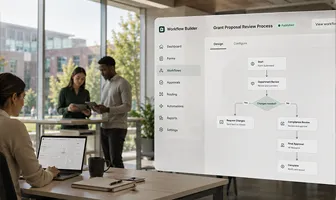
Discover how Kuali connects the work behind administration, research, compliance, IT, and more.
Explore Kuali solutions ->
Without a centralized research administration system, Portland State University relied on shadow systems, individual tracking methods, and manual communication to keep research moving. By implementing Kuali Research, the university gained greater transparency, automated workflows, and a connected view of research operations across the institution.

Learn how to enable regular business users to create powerful research administration forms and workflow processes without relying for IT. Read more here.
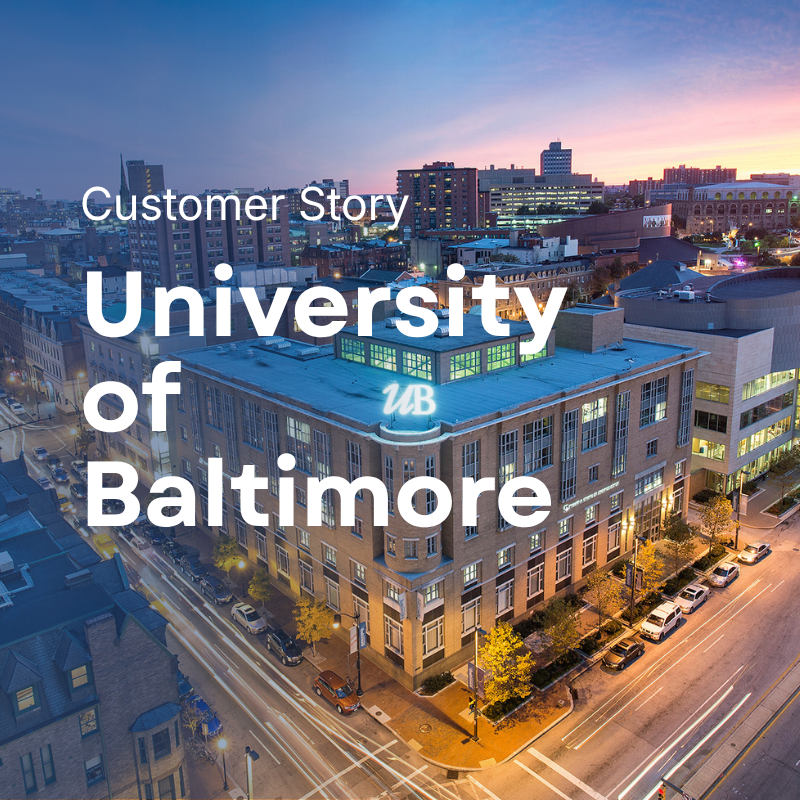
The University of Baltimore replaced paper-based research administration with connected digital workflows that improved visibility, accelerated approvals, and reduced administrative burden. By implementing Kuali Research, the university transformed proposal development, awards management, and compliance processes into a faster, more transparent experience for researchers and administrators alike.…