

Academic operations - curriculum, catalog, syllabus, scheduling, and the policies that govern them - quietly determine whether a campus runs smoothly or constantly firefights. When these processes live in disconnected systems, spreadsheets, and email chains, routine updates (like a prerequisite change or a new program concentration) can take weeks, introduce errors, and ripple into advising, scheduling, and student progress. That operational friction is getting harder to absorb at a time when institutions are under real pressure to be more agile and efficient, especially as public institutions face revenue uncertainty tied to tuition volatility and fading one-time federal stimulus. A clear, data-backed snapshot of those revenue dynamics is summarized in SHEEO’s State Higher Education Finance (SHEF) reporting for FY2024.
Higher education leaders increasingly recognize that academic operations cannot be an afterthought. They directly influence how quickly institutions can adapt to market demands, support learners’ evolving needs, and make data-backed decisions. According to industry research, inefficiencies in academic operations - especially in curriculum and scheduling - are linked to student frustration and delayed degree completion, which ultimately affects retention and institutional reputation.
At the same time, financial pressures on campuses continue to mount. Many institutions are being asked to do more with fewer resources, making it essential to automate repetitive tasks, reduce dependency on manual approvals, and centralize academic data in a way that both faculty and administrators can trust.
Across campuses, traditional academic workflows often struggle with:
These challenges aren’t merely administrative - they impact student success outcomes. When students and advisors don’t have accurate, up-to-date information about degree requirements, prerequisite chains, or course availability, the risk of extended time to degree increases. Academic operations encompass all the behind-the-scenes mechanisms that enable teaching and learning to happen efficiently and effectively. Yet, as scholars and practitioners alike observe, outdated approaches to these processes can compound institutional inefficiencies and frustrate both staff and students.
Digital transformation in academic operations isn’t just a buzzword - it’s a strategic imperative. Higher education institutions that adopt modern, integrated software platforms are able to:
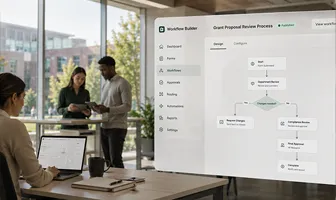
A recent press release from Kuali highlights how its Academic Ops suite unifies workflow automation, catalog integration, syllabus governance, and scheduling intelligence within a single cloud-based platform - reducing administrative burden while enhancing institutional agility.
This type of platform unification reflects broader trends in higher education technology: institutions that move away from siloed systems and toward integrated academic operations solutions report stronger data integrity and improved operational throughput.
Modern academic operations platforms centralize critical functions that historically lived in spreadsheets, email chains, or standalone databases. For example, a well-configured system will allow an institution to:
These technological capabilities directly address common pain points that have long slowed academic cycles and introduced error risk into crucial decision-making processes.
The University of Victoria faced challenges with managing curriculum proposals and multiple approval streams using decentralized tools. By moving to a structured curriculum and catalog management solution, they not only improved process transparency but also created a single source of truth for academic proposals - eliminating ambiguity and version-control issues that previously slowed decision-making. According to James Wigginton, Curriculum and Calendar Manager at UVic, the ability to configure rather than conform to software workflows made adoption easier and more productive across departments.
Today’s academic operations platforms deliver measurable outcomes that help institutions work smarter:
These benefits help institutions pivot quickly, reduce bottlenecks in administrative processes, and ensure that academic leadership can focus on student success initiatives rather than mundane tasks.
As colleges and universities continue navigating shifting enrollment patterns, fiscal challenges, and evolving student expectations, academic operations can no longer be an afterthought. Institutions that embrace a unified, cloud-based approach will be better positioned to adapt, innovate, and deliver high-quality educational experiences that support students from enrollment to completion.
Platforms like Kuali Academic Ops offer an integrated framework for managing curriculum, catalog, syllabus, and advising functions - bringing academic processes into harmony with the strategic goals of the institution. By centralizing data and automating workflows, Kuali helps institutions work more efficiently and support meaningful student outcomes.
For institutions looking to modernize their academic operations, investing in tools that reduce administrative burden and elevate institutional insight is a strong step toward supporting students, faculty, and the future of higher education.
Discover how Kuali connects the work behind administration, research, compliance, IT, and more.
Explore Kuali solutions ->
Bow Valley College leveled up their paper-based curriculum and catalog processes with Kuali Student, a digital curriculum and catalog management suite, to reduce errors, increase transparency, and save time. With Kuali Student, Bow Valley saves 100 hours each curriculum and catalog cycle.

Explore why UX design is essential in curriculum and catalog management software for higher education, improving usability, adoption, and operational efficiency.

Today’s students expect up-to-date, searchable course catalogs that help them plan and graduate on time. This article breaks down why legacy systems fall short, highlights new tech and trends reshaping higher ed, and explores how Kuali Academic Ops—with Ad Astra—delivers a smarter, integrated solution for curriculum, scheduling, and success.