

With more than 34,000 students, 310 buildings, 2,326 laboratories, 134 acres, and 10,182 employees, Boston University needs to plan for every emergency, as well as what happens after. It needs to be able to work with first responders and understand what to do once the emergency personnel leave, but the campus isn’t yet back to normal.
After the Sept. 11, 2001, terrorist attacks, the university built its own system for business continuity. The problem was that the system didn’t contain all the necessary information, and it wasn’t easy to use.
Three years ago, Boston University adopted Kuali Ready to take over its business continuity planning.
“I like the part where we could have it automated, and I could turn it over to my end users and not have to babysit it as much, and they can update it themselves and have access online,” said Stephen Morash, Director of Emergency Management at Boston University. “It’s very intuitive. I can train someone to use it in about 20 minutes. It’s just really cool.”
Not only is it easy to use, but it’s also scalable,” he said. “It fits large schools or small departments.”
No one can ever be prepared for every emergency. But Ready helps the faculty and staff know what they need to do once first responders leave so that critical operations on campus continue running as seamlessly as possible.
Boston University wasn’t using Ready when the Boston Marathon Bombing happened in 2013. However, it would have made it easier to see how to keep the campus running during and after the emergency.
“One of the things we talk about is that after an incident you may not be able to do things that you were doing yesterday,” Morash said. “On that Friday morning after the bombing, there was a shelter-in-place order for about six communities, and we were one of them.” - Stephen Morash, Director of Emergency Management at Boston University
They had to maintain operations on campus, including figuring out how to feed the thousands of students who live on campus.
“With Ready, campus leaders can figure out workarounds, critical functions, and who can work at home,” Morash said. “Those types of business continuity plans are instrumental in getting through an emergency.”
“Boston University had a fire in the radio lab at the communications college, and the emergency again highlighted the need for using Ready for business continuity planning,” he said.
About 75 percent of the colleges and schools on campus now have business continuity plans built in Ready. It’s not a mandate, but Morash promotes it to faculty and staff as a good business practice, to protect themselves when something bad happens.
See how Kuali Ready can help improve institutional resilience today.
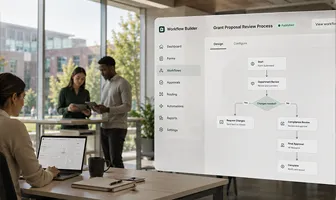
Discover how Kuali connects the work behind administration, research, compliance, IT, and more.
Explore Kuali solutions ->
Explore business continuity plan examples and learn how universities ensure operational resilience with proactive strategies for crisis management and recovery.
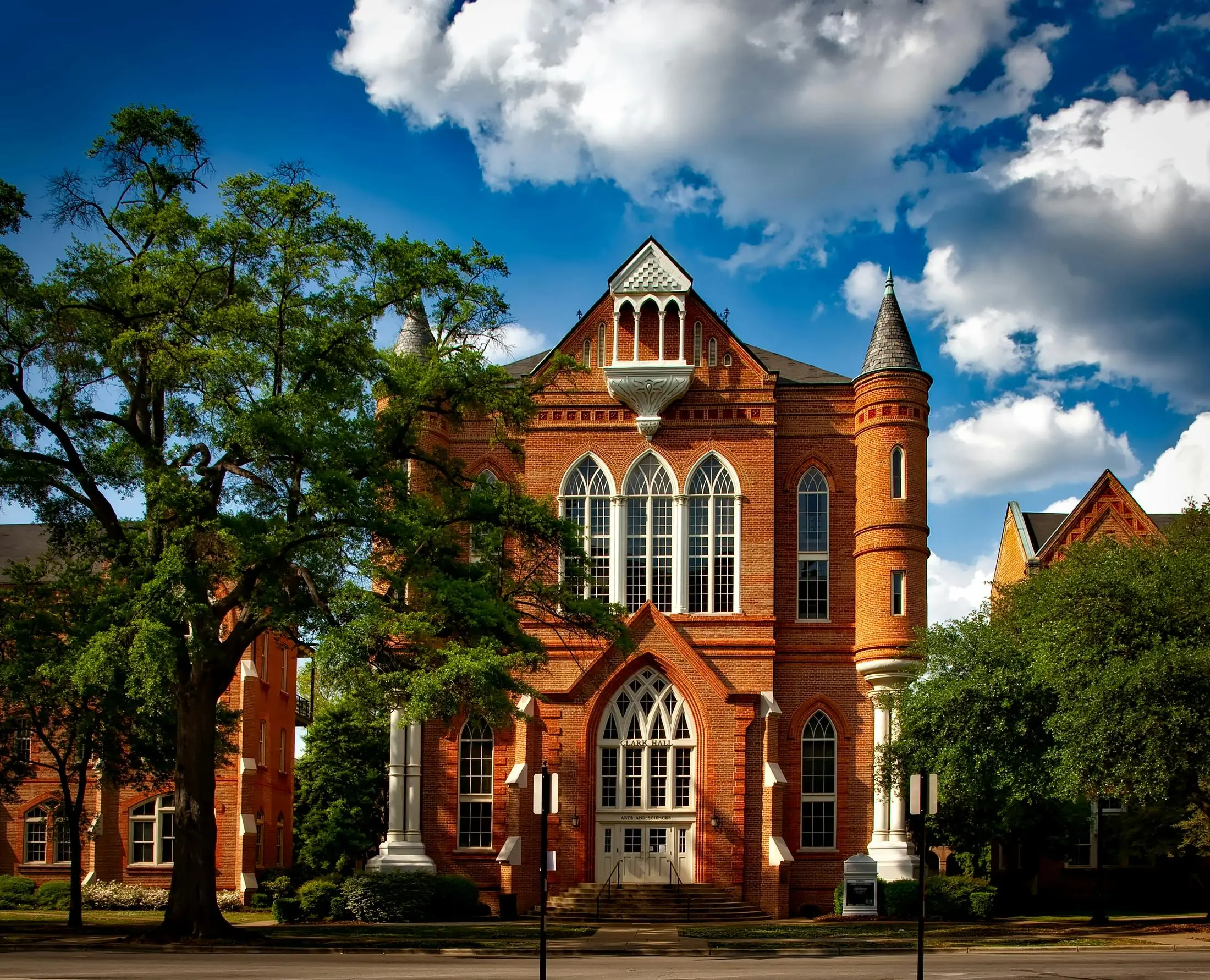
Discover a streamlined, four-phase continuity planning approach for higher education—covering BIA, risk analysis, plan development, exercises, and maturity benchmarking—to embed resilience and streamline recovery efforts.
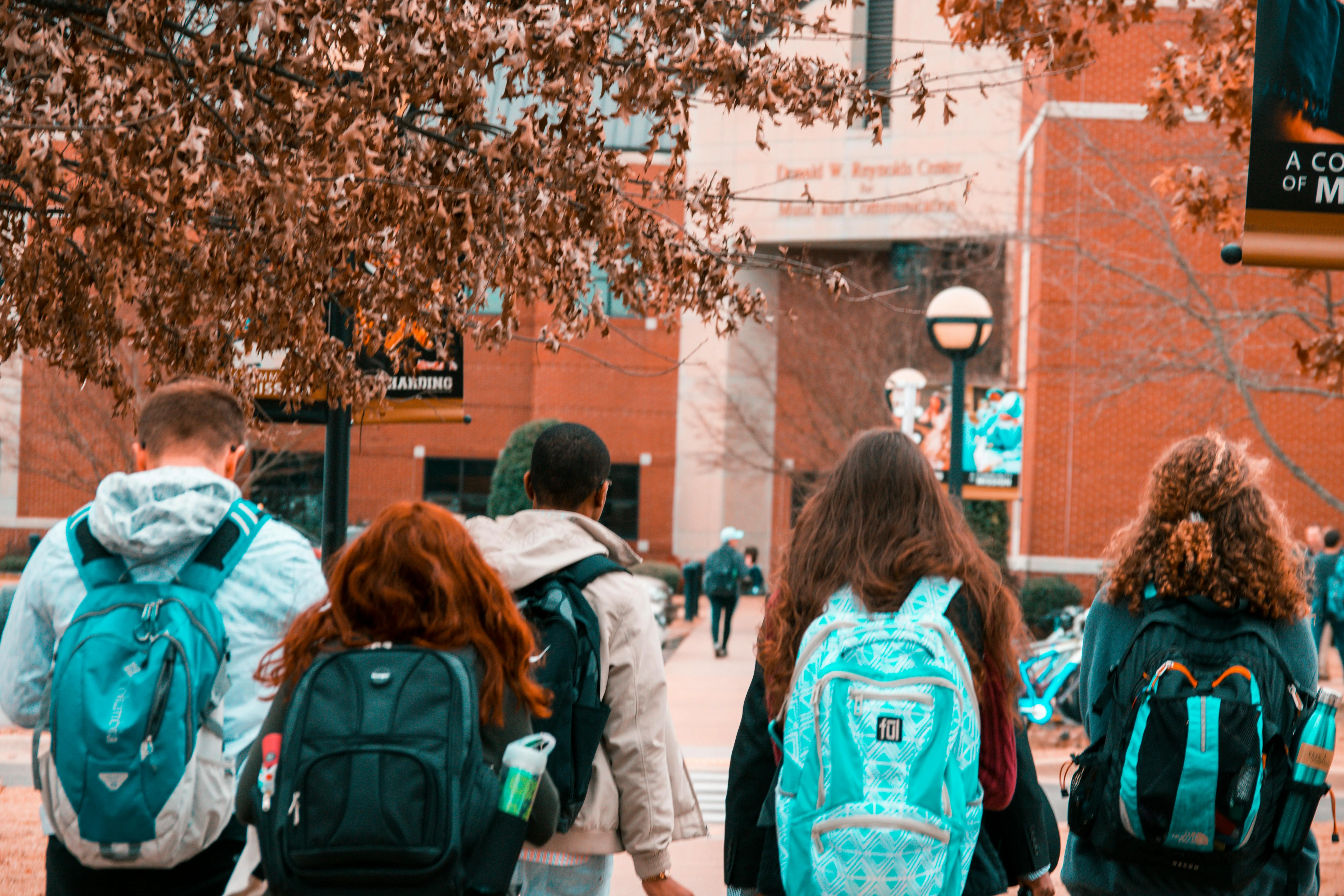
When colleges close, the economic, social, and educational impacts ripple through communities. Learn how business continuity planning protects campuses, students, and local economies.